
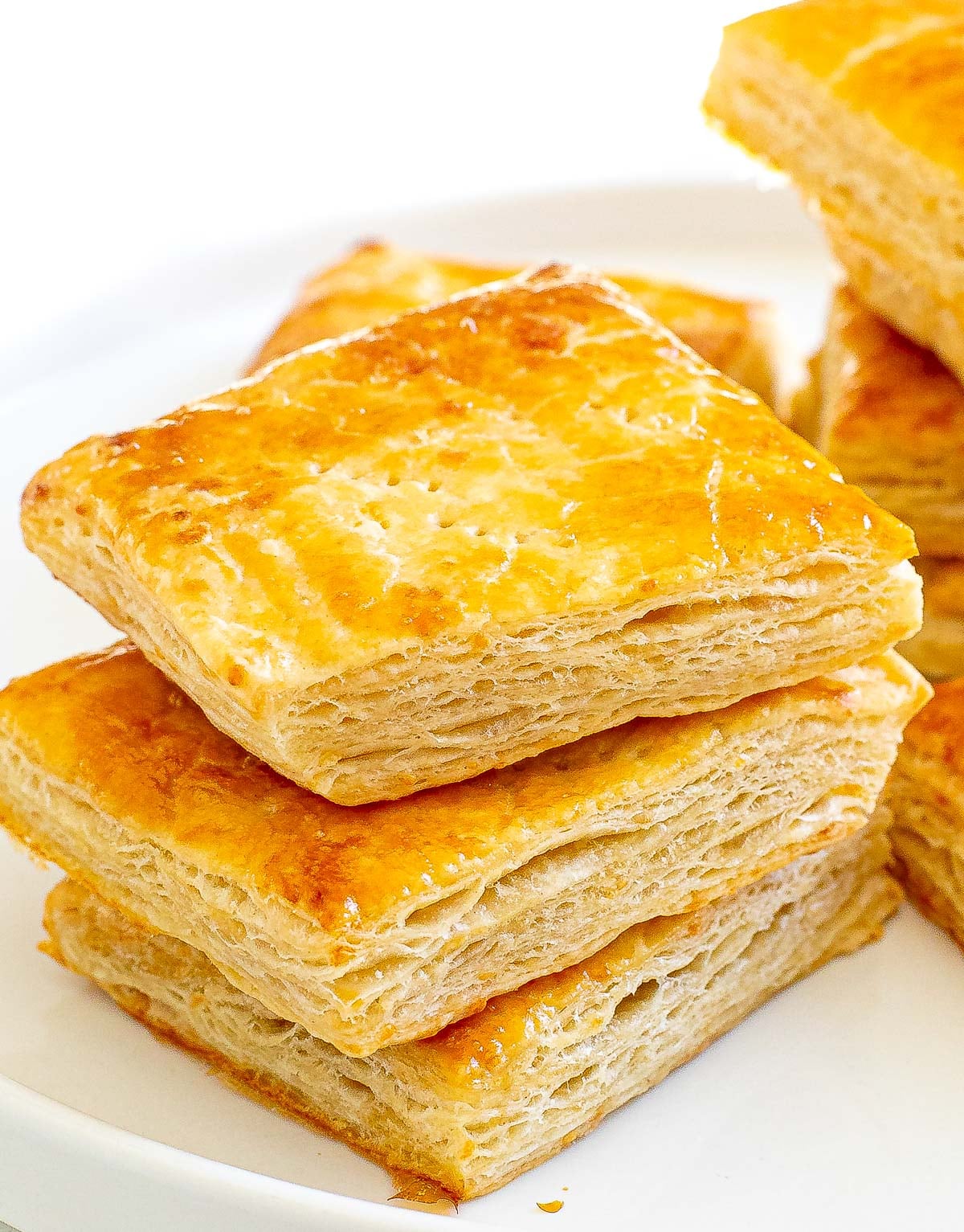
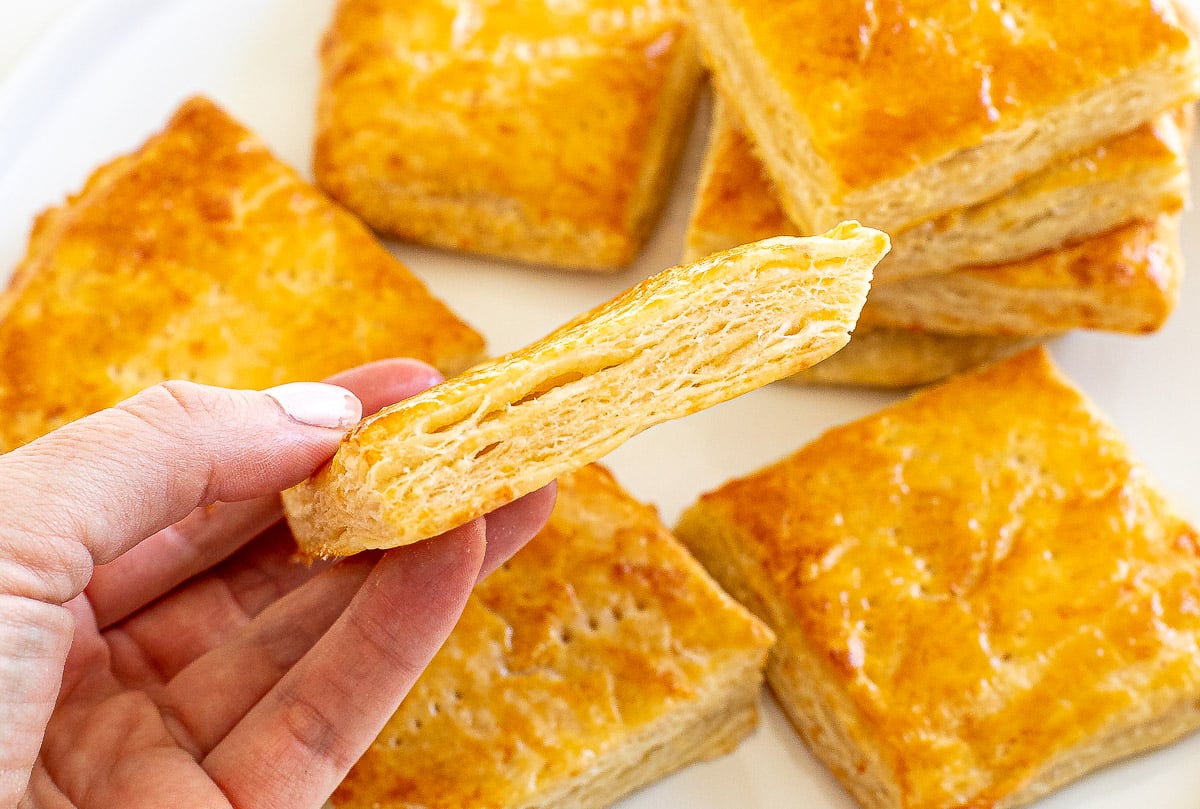
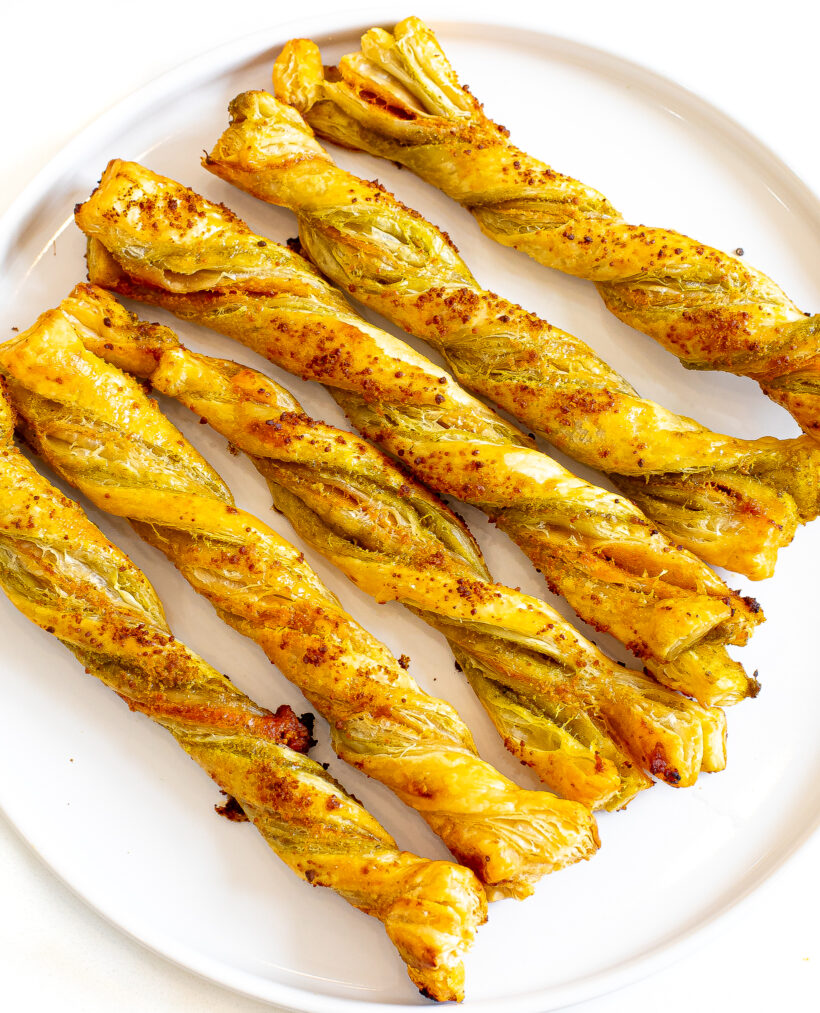
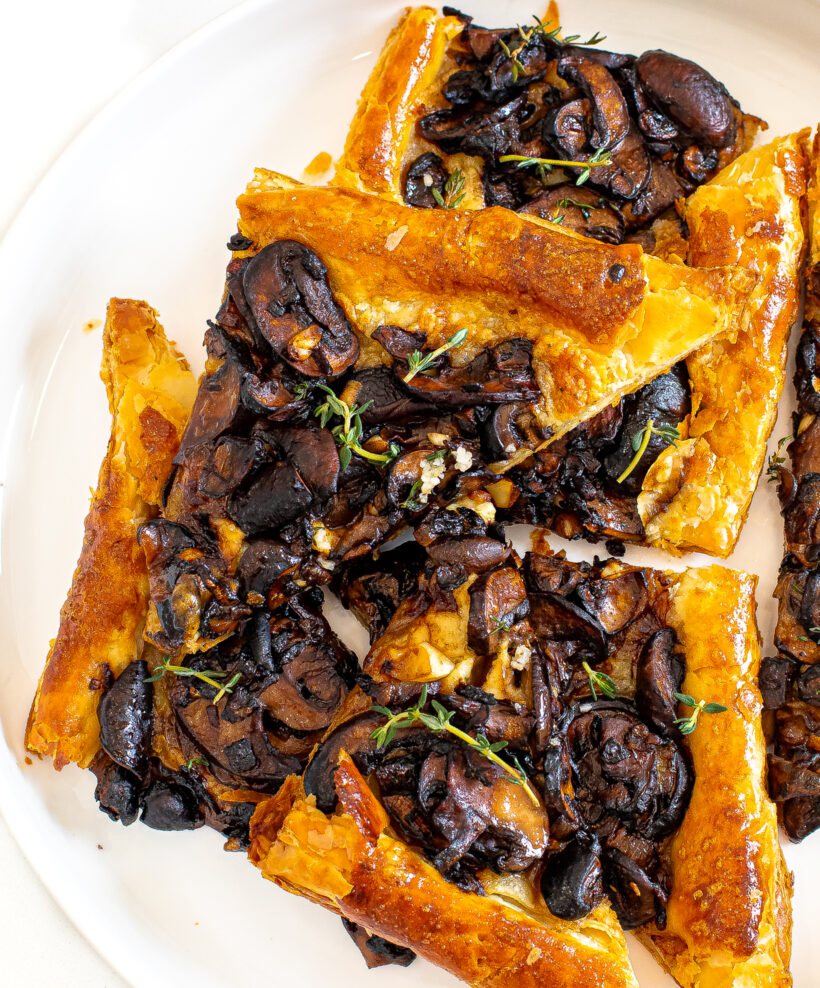
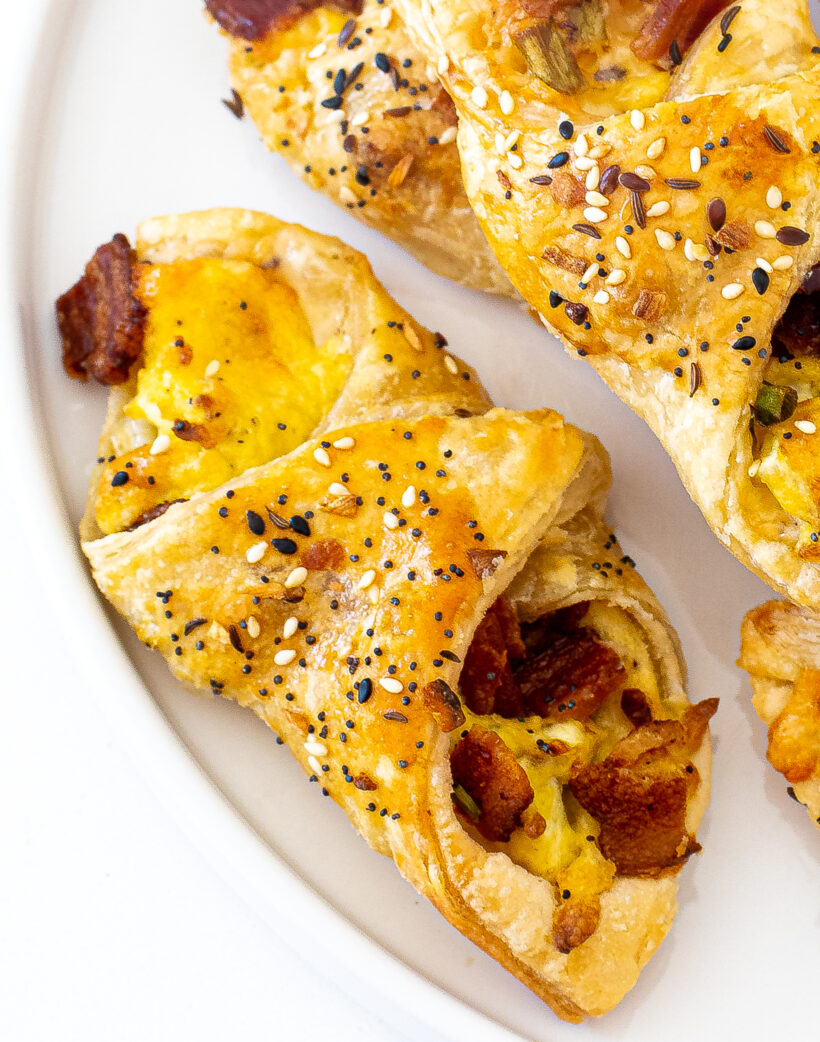
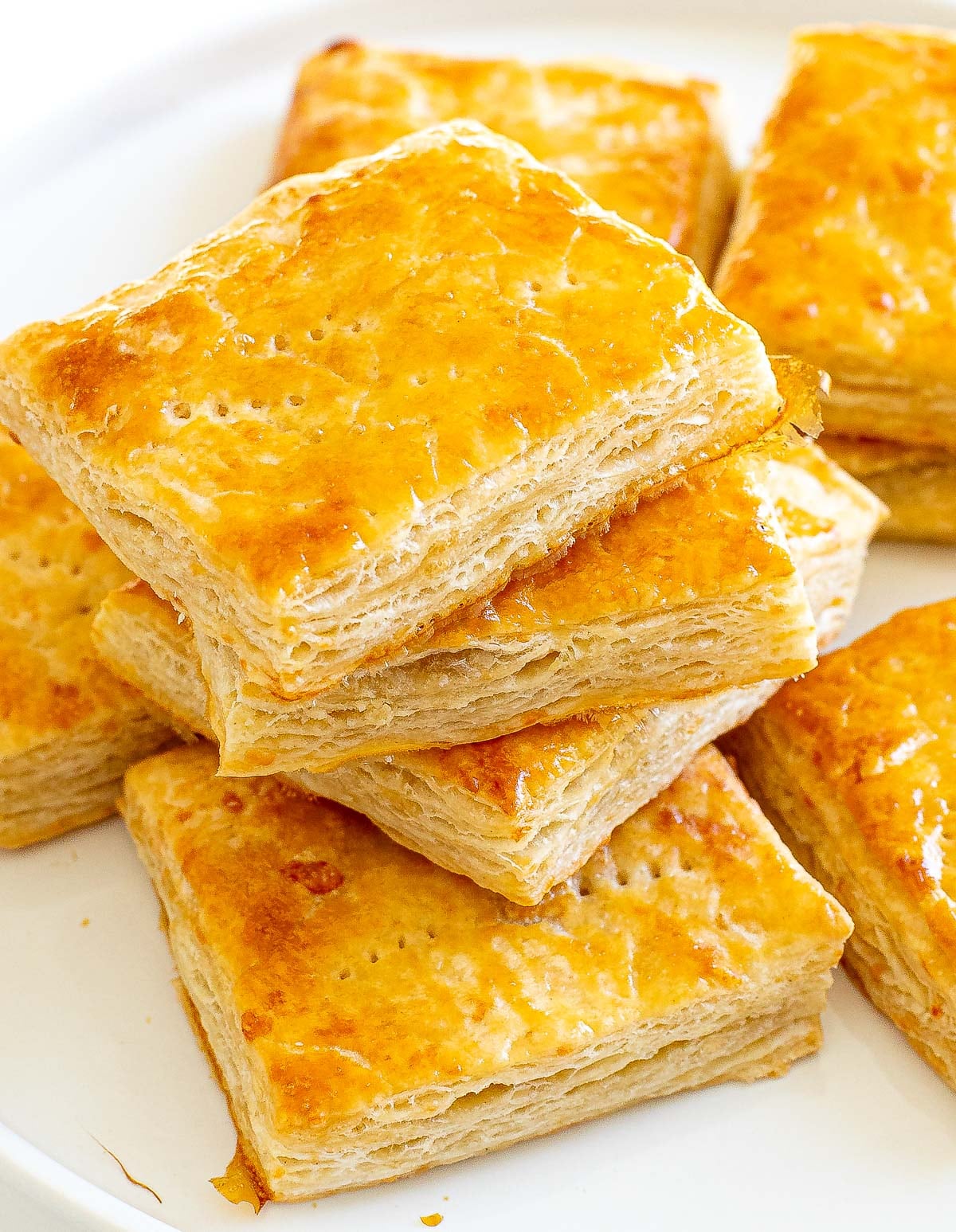
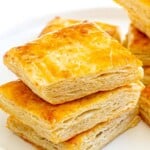
This Homemade Puff Pastry tastes so much better than store-bought! The buttery, flaky dough is surprisingly simple to make with only 5 ingredients! Use it for everything from savory mushroom tarts, pesto cheese straws, tomato tart to bacon egg and cheese pastries and more, the possibilities are endless!
 Kelley’s Tips
Tips for Making Homemade Puff Pastry
- Keep everything cold. Cold butter and cold dough are key to creating those flaky, buttery layers. I pop my butter, cheese and even flour in the freezer while I am prepping my ingredients to ensure everything stays super cold. If the dough starts to warm up at any point, pop it back in the fridge.
- Don’t overwork the dough. Mix and fold just until combined. Overworking can melt the butter and make the pastry less flaky.
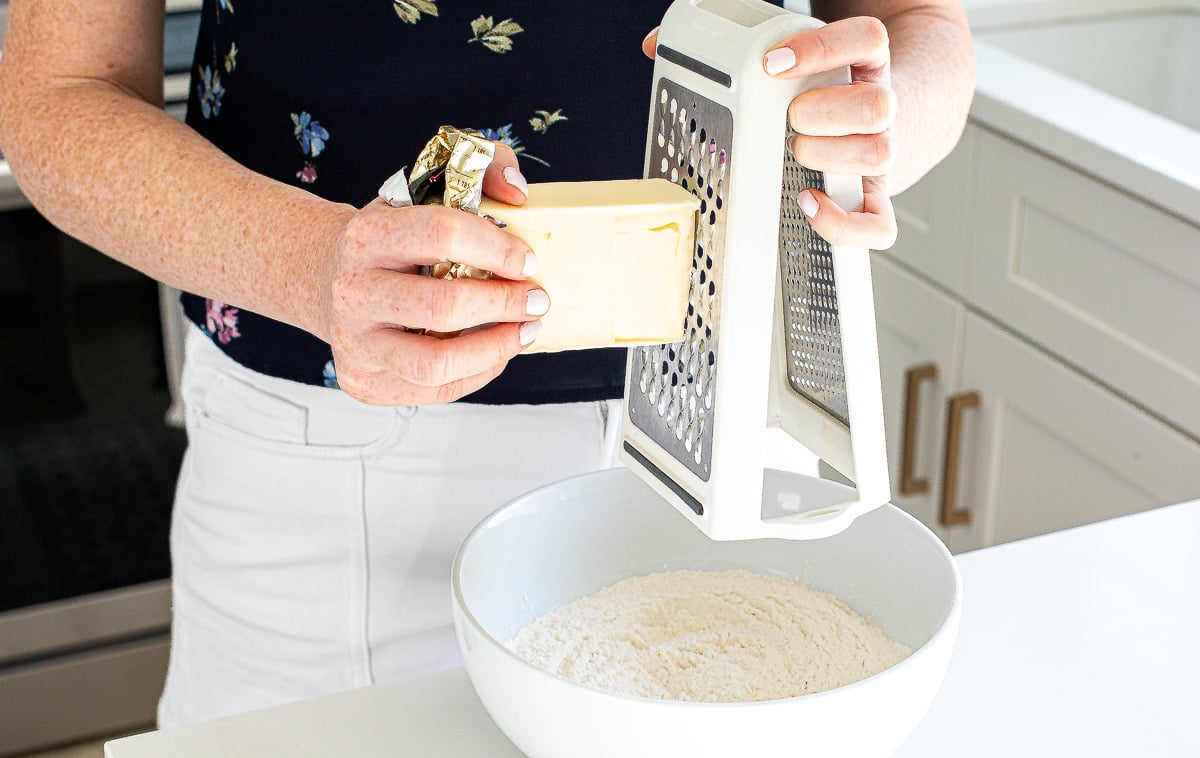
- Grate the butter and cheese. Using a box grater helps distribute them evenly and makes the folding process much easier (and faster!). If you try to mix this with your hands your body temperature would warm up the dough too much.
- Chill between folds if needed. If the dough gets sticky or soft, a quick chill will make it easier to work with and improve the final texture.
- Dock the dough before baking. Poking holes with a fork helps prevent too much puffing in areas where you want it to stay flat (great for tarts or flatbreads).
- Watch baking time closely. Bake until golden and crisp, but don’t overbake or it can lose that delicate, flaky texture.

Ingredients Needed
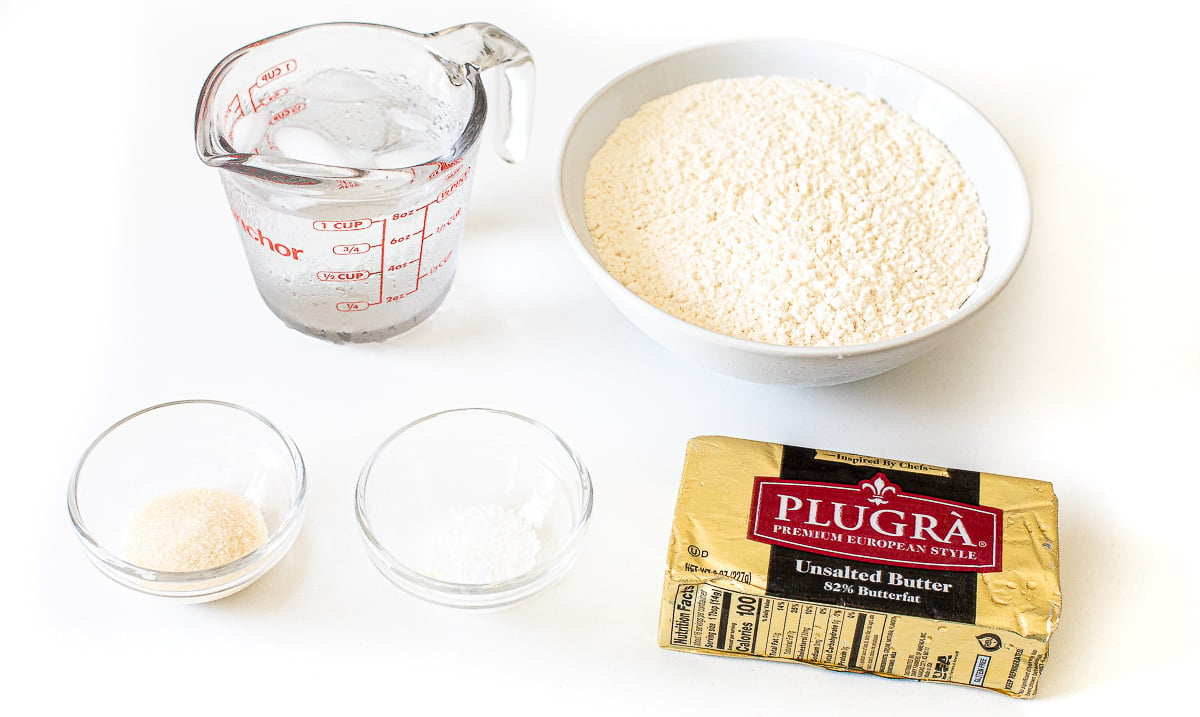
- All-purpose flour: The base of the dough that creates structure and those signature flaky layers.
- Sugar: Just a touch adds a hint of sweetness and helps with browning in the oven.
- Salt: Balances the flavor and enhances the buttery richness of the pastry.
- Unsalted butter: The star ingredient, creates steam as it bakes, which is what forms all those flaky layers. Keeping it cold is key. Pop it in the freezer for 30-60 minutes before you start grating to get it really cold!
- Cheddar cheese: Adds rich, savory flavor and extra flakiness when it melts into the layers.
- Ice water: Brings the dough together while keeping everything cold so the butter stays solid and the layers form properly.
- Egg: Used as an egg wash to give the finished pastry a beautiful golden color and slight shine.
How to Make Puff Pastry
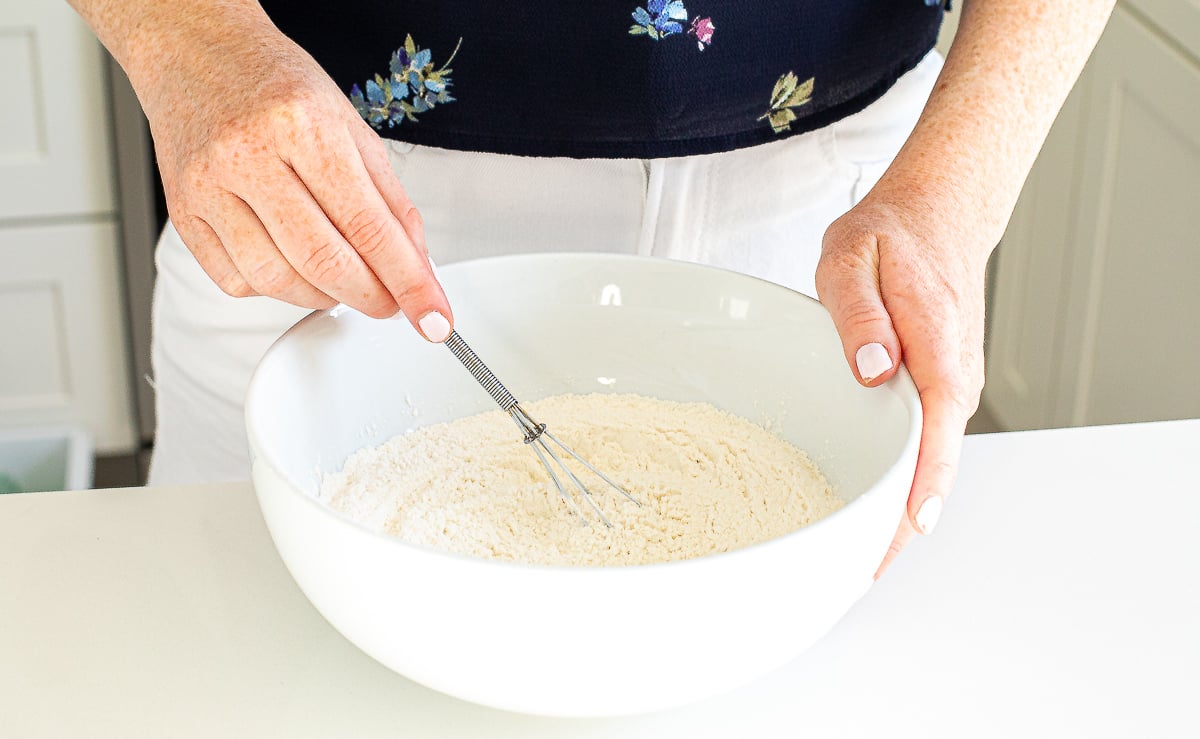
- Place butter in the freezer for at least 1 hour to chill. In a large bowl, mix flour, sugar, and salt; set aside. Grate cold butter and cheese directly into the flour mixture. Toss gently with a fork to keep everything evenly coated and prevent clumping. Add 7 tablespoons of cold water and mix gently with a spoon or spatula. Test the dough by squeezing, it should hold together but still feel slightly dry. Add remaining water if needed.
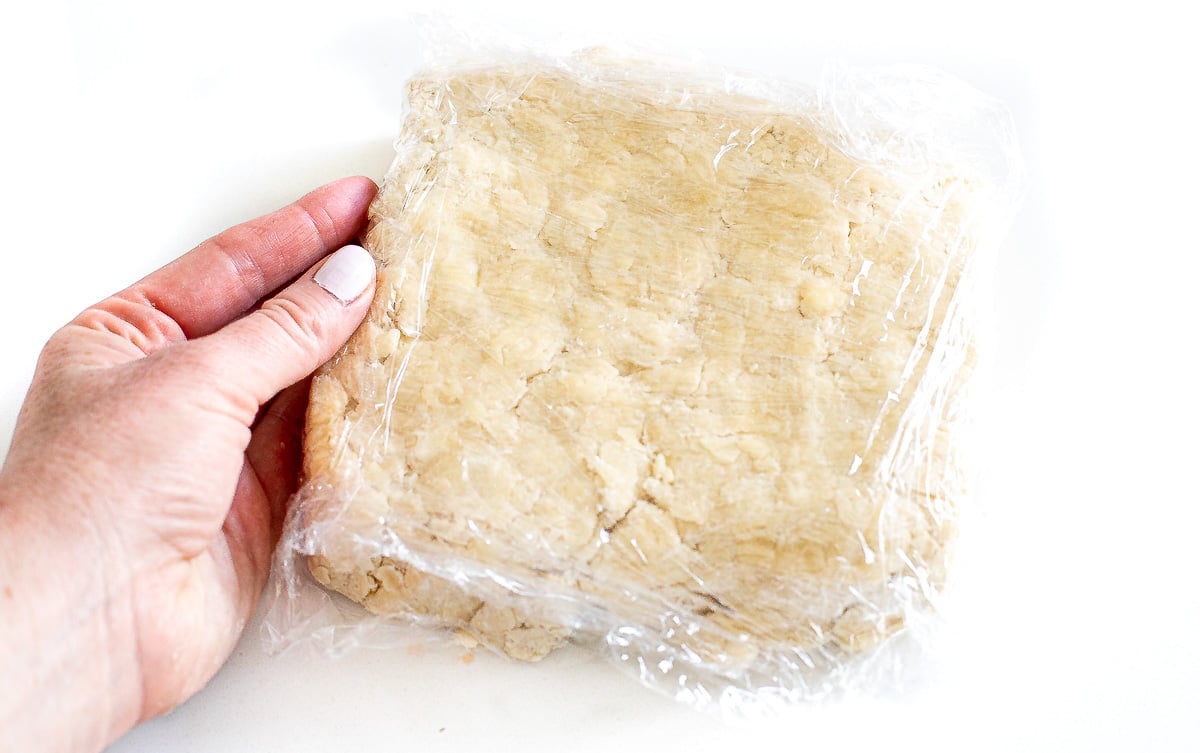
- Shape into a rough square, wrap tightly, and refrigerate for 1 hour.
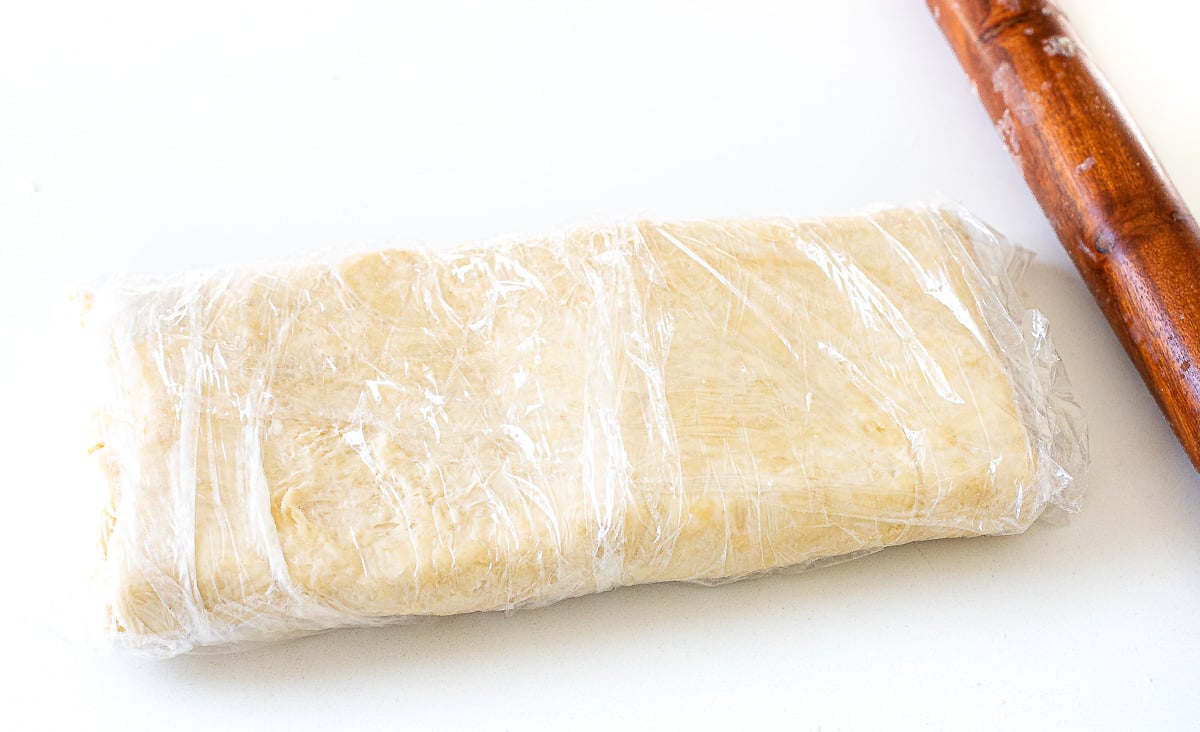
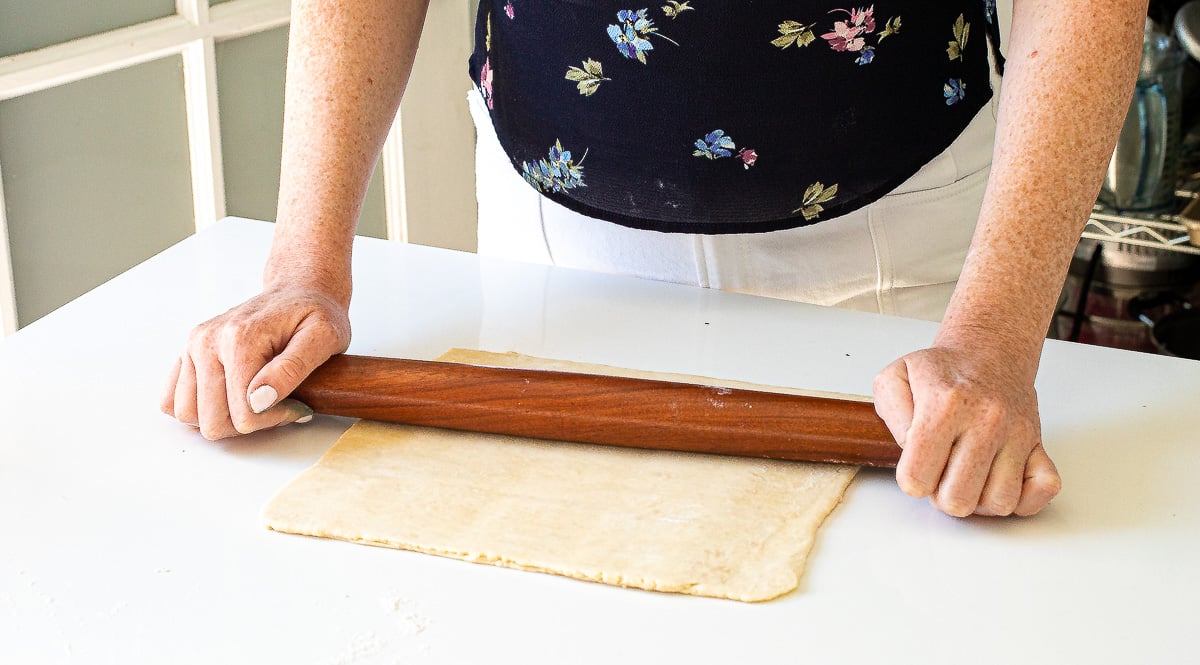
- Roll dough on a lightly floured surface into a 9 x 12-inch rectangle. Fold into thirds, rotate 90°, and repeat rolling and folding 3 more times (4 total turns). Chill if dough gets too warm. Chill dough for at least 1 hour. Divide dough into 2 pieces and roll each into a 9 x 12-inch sheet. Prick with a fork and brush with egg wash.
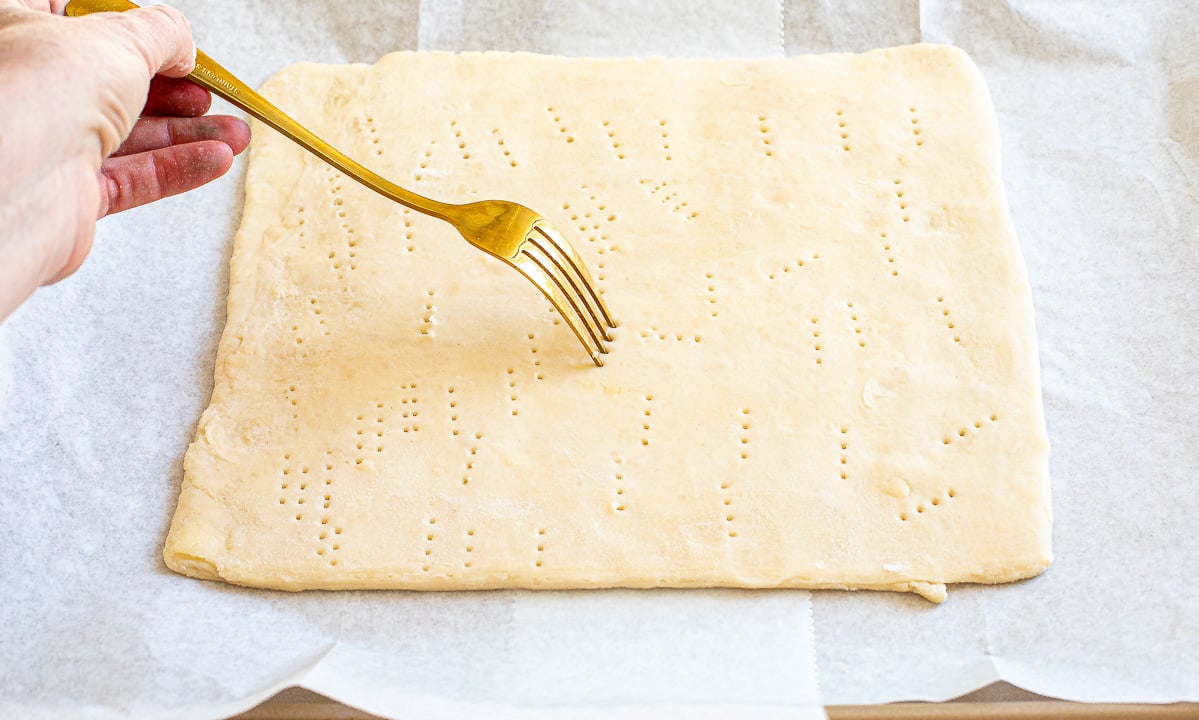
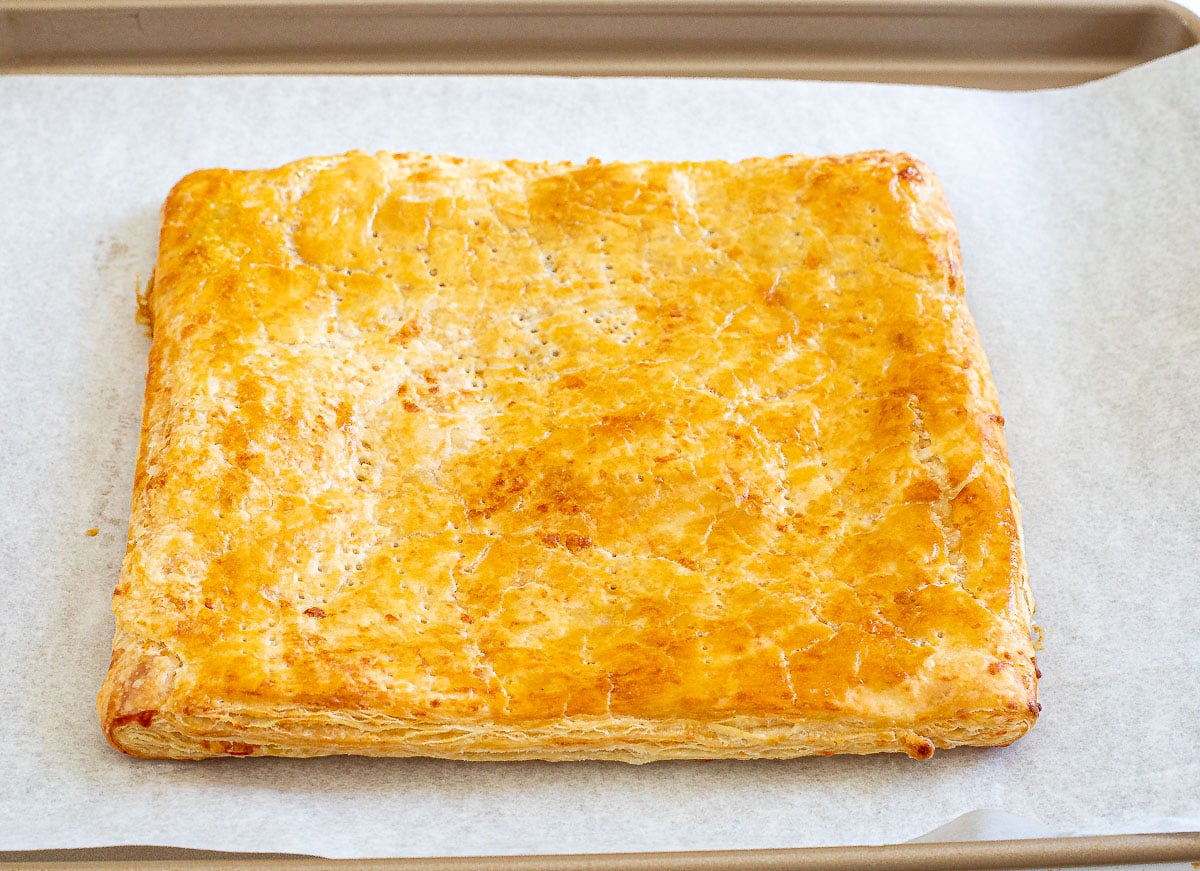
- Bake for 20 minutes or until golden.
- Use as you would a traditional puff pastry! If making my tomato tart or mushroom tart add toppings now or leave unbaked before making my pesto cheese straws or bacon egg pastries.
Ways to Use Puff Pastry
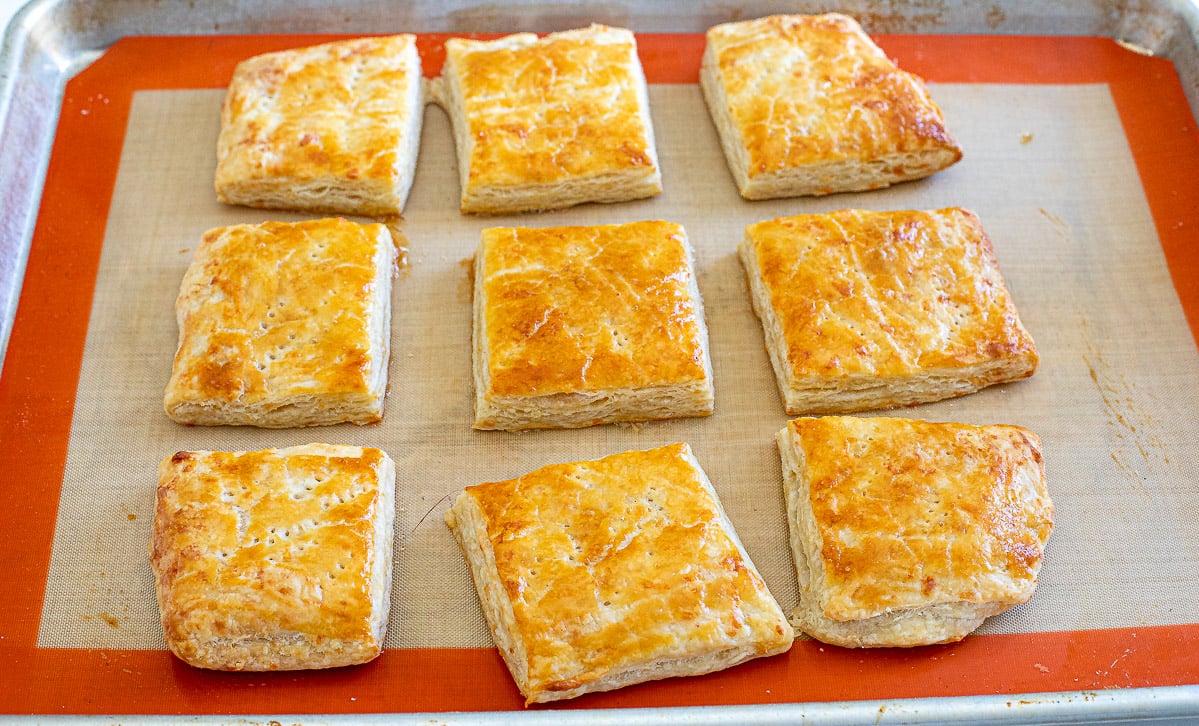
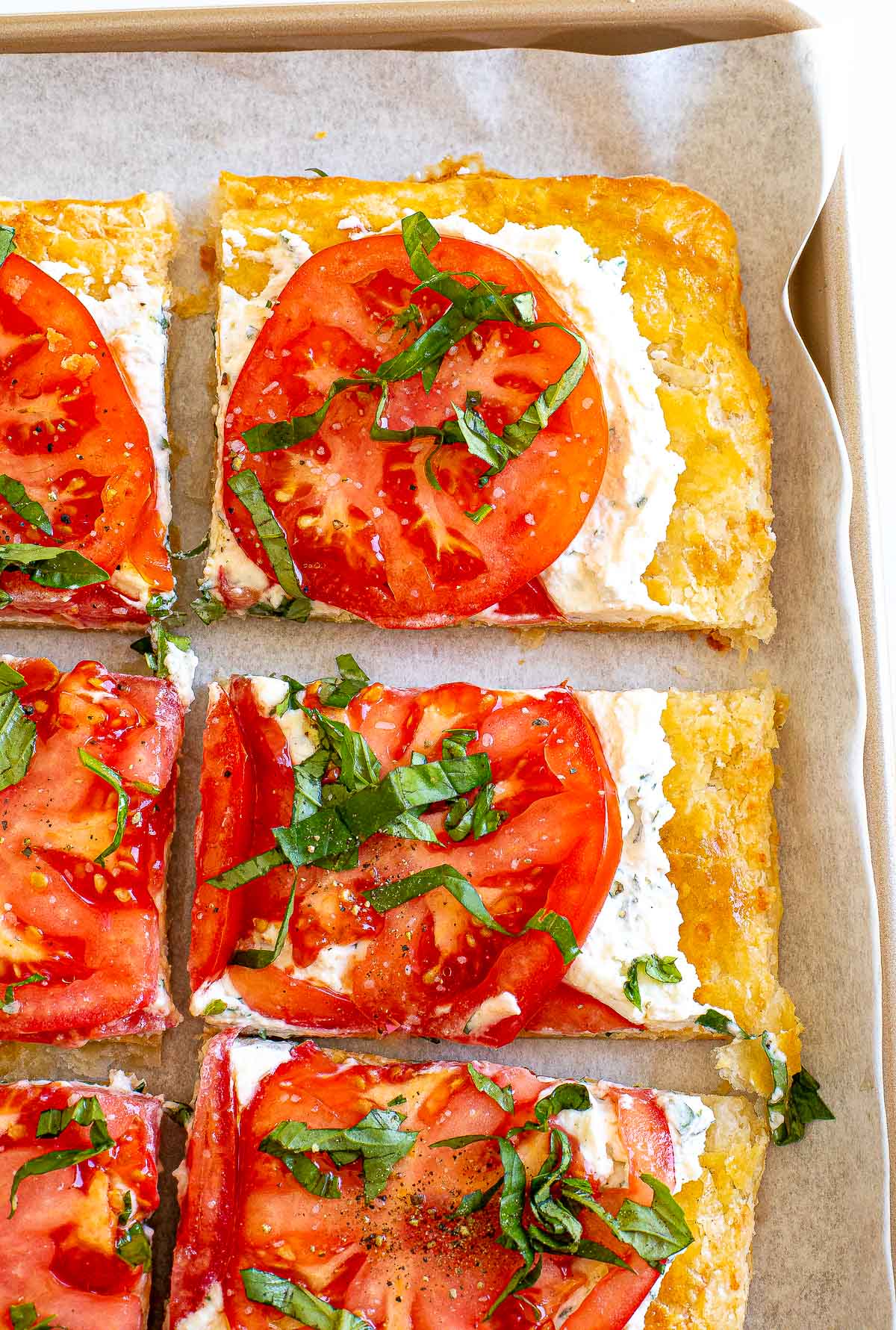
This puff pastry recipe is one of those kitchen staples that can do it all, sweet or savory, simple or fancy. Try using this recipe to make my tomato tart, mushroom tart, pesto cheese straws, and bacon egg pastries that are perfect for breakfast, appetizers, or entertaining!
More Appetizers to Try
Save this Recipe
Enter your email to get it straight in your inbox! Plus, receive new recipes weekly!

Homemade Puff Pastry
Ingredients
- 3 cups all purpose flour
- 2 tsp sugar
- 1/2 tsp salt
- 8 ounces unsalted butter, cold
- 4 ounces cheddar cheese, cold
- 1 egg, whisked
- 8-9 tbsp ice water
Instructions
- Place butter in the freezer to chill for at least 1 hour. Meanwhile add 3 cups of flour (360 grams), sugar and salt to a large bowl, set aside.
- Using a box grater, grate the butter and cheese directly into the flour mixture. Toss gently with a fork periodically to avoid creating one big clump of butter or cheese.
- Add 7 tablespoons of cold water to the bowl, gently mix with a spoon or rubber spatula. Test the dough by squeezing a handful in your palm. It should hold together when pressed but still feel slightly dry. If the dough is too crumbly, add the remaining tablespoon of water. Form the dough into a rough square, wrap it tightly in plastic wrap, and refrigerate for 1 hour.
- Place dough on a lightly floured counter and roll into roughly a 9 x 12 inch rectangle. Fold into thirds. Turn dough 90° and roll it into a 9 x 12 inch rectangle again. Repeat 2 more times for a total of 4 turns and folds. If dough becomes too warm, chill for an hour before finishing the folds. Chill dough for at least one hour.
- Preheat oven to 400°F. Divide dough into 2 equal rectangles. Roll each piece into a 9 x 12 inch sheet. Prick with a fork and brush with egg wash. Bake for 20 minutes or until golden.
- Use as you would a traditional puff pastry! If making my tomato tart or mushroom tart add toppings now or leave unbaked before making my pesto cheese straws or bacon egg pastries.
Notes
- Keep everything cold. Cold butter and cold dough are key to creating those flaky, buttery layers. If the dough starts to warm up at any point, pop it back in the fridge.
- Don’t overwork the dough. Mix and fold just until combined. Overworking can melt the butter and make the pastry less flaky.
- Grate the butter and cheese. Using a box grater helps distribute them evenly and makes the folding process much easier (and faster!).
- Handle with a light touch. When rolling and folding, use gentle pressure so you don’t flatten the layers you’re trying to build.
- Chill between folds if needed. If the dough gets sticky or soft, a quick chill will make it easier to work with and improve the final texture.
- Use a light-colored baking sheet. This helps prevent over-browning on the bottom and ensures even baking.
- Dock the dough before baking. Poking holes with a fork helps prevent too much puffing in areas where you want it to stay flat (great for tarts or flatbreads).
- Watch baking time closely. Bake until golden and crisp, but don’t overbake or it can lose that delicate, flaky texture.
Nutrition Information
Did You Make This?
I’d love to hear your feedback! Leave a review and make sure to share your pictures on social media! Don’t forget to follow @thechefsavvy.








Tara
Loved this recipe! Did take some effort but was worth it. Love that it made two sheets